
The internal interview is often the shortest, and most dangerous, meeting in your company.
It’s tempting to treat it as a formality. You know the candidate, you’ve seen their work, and you know they fit the culture. So, you have a casual chat, skip the hard questions, and sign off on the transfer.
Six months later, you’re dealing with a disengaged employee, a frustrated team, and a failed promotion.
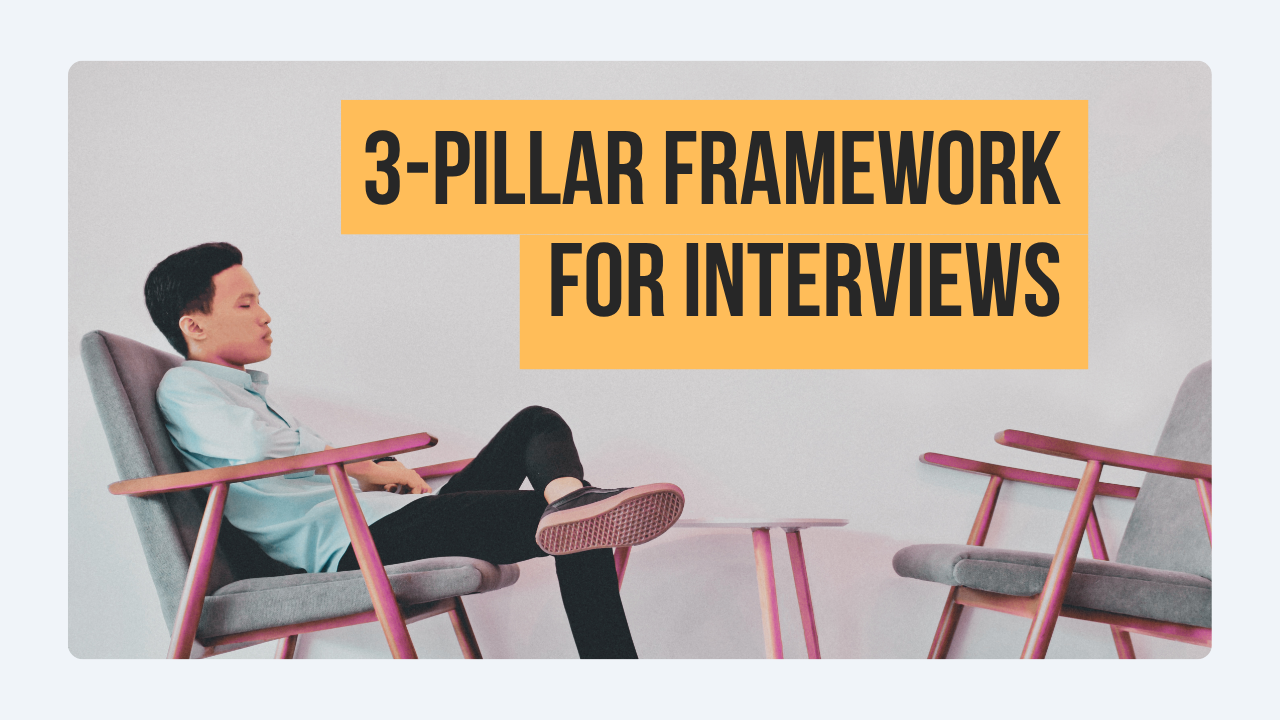
The “familiarity trap” is the single biggest risk in internal hiring. We assume we know the candidate, so we fail to validate their readiness. This guide provides a 3-pillar framework to move past assumptions and ensure your next internal hire is a strategic success.
Pillar 1: Validating Motivation & Alignment
This pillar focuses on the “why.” You must uncover whether this move is driven by genuine ambition or by a desire to escape their current situation.
1. The Core Drive
What This Uncovers: This line of questioning separates “pull” motivation (being drawn to a new opportunity) from “push” motivation (fleeing a bad manager, boredom, or a difficult project). A “pulled” candidate is engaged and ambitious; a “pushed” candidate may be bringing unresolved problems to your team.
Strategic Probes:
- “Walk me through the moment you decided to actively pursue this role. What specific challenge or opportunity in the job description made you think, ‘I need to do this’?”
- “This move represents a significant change from your current duties. What’s the one problem this team is working on that you are most excited to help solve?”
- “How does this specific role align with the 3-year career path you envision for yourself here at this company?“
2. Strategic Awareness
What This Uncovers: A great internal candidate uses their “insider” advantage. This question tests whether they’ve done their homework beyond just reading the job description. Have they talked to people on your team? Do they understand your department’s specific challenges and goals?
Strategic Probes:
- “From your perspective as an employee, what do you see as the single biggest opportunity for this department in the next year?”
- “Based on your understanding of our team’s current projects, where do you think your skills will make the most immediate impact in the first 30 days?”
- “Who (if anyone) have you spoken with to learn about this team’s day-to-day culture and workflow, and what did you learn from those conversations?”
Pillar 2: Assessing Potential & Past Performance
This pillar moves from “why” to “how.” Can they actually do the job, and how will they handle the new demands?
3. Proven Impact (Beyond the Review)
What This Uncovers: Performance reviews tell you what they did, not how they did it. This question probes for accountability, self-awareness, and their specific, individual contribution to a team’s success. You’re looking for the “I” in the “we” story.
Strategic Probes:
- “We all know Project Phoenix was a big win. Can you walk me through a specific decision you made during that project that was critical to its success?”
- “Tell me about a time you identified a flaw or inefficiency in a process that wasn’t your responsibility. What did you do about it?”
- “What key metric did you personally own in your last role, and what was your method for improving it month-over-month?“
4. Growth Mindset & Coachability
What This Uncovers: No internal candidate is a 100% fit. This question assesses their self-awareness to know their gaps and, more importantly, their proactive plan to close them. It also reveals how they respond to constructive criticism, a key predictor of success.
Strategic Probes:
- “What part of this job description represents the steepest learning curve for you, and what is your 30-day plan to get up to speed?”
- “Tell me about a time you received difficult feedback from your manager. What was the feedback and what did you change as a result?”
- “Can you describe a time you had to quickly master a new skill or technology for a project? What was your learning process?“
5. Interpersonal & Stakeholder Acumen
What This Uncovers: As employees become more senior, their success depends less on technical skill and more on their ability to manage complex relationships. This assesses how they navigate conflict, influence peers, and manage stakeholders who have different goals.
Strategic Probes:
- “Describe a time you had a significant disagreement with a colleague on a cross-functional project. How did you get to a productive resolution?”
- “Who is (or was) your most challenging internal stakeholder? What steps did you take to build a productive working relationship with them?”
- “Tell me about a time you needed to get buy-in from another department that had conflicting goals. What was your strategy?”
Pillar 3: De-Risking the Transition
This pillar is about the future. It stress-tests the most common failure points for internal hires: the social shift, the handoff, and long-term retention.
6. The “Peer-to-Leader” Test
What This Uncovers: This assesses the candidate’s emotional intelligence and their readiness to navigate the difficult shift from “friend” to “boss.” A candidate who hasn’t thought this through is not ready.
Strategic Probes:
- “How do you plan to establish credibility and authority in your first 30 days with a team that used to be your peers?”
- “Imagine you have to deliver a performance improvement plan to a former peer you’re close with. How do you handle that conversation?”
- “What new boundaries will you need to set with your former peers to be an effective leader?“
7. The Graceful Exit
What This Uncovers: A candidate’s plan to leave their old role reveals their professionalism, accountability, and empathy. A star candidate thinks about the company’s overall success, not just their new title, and will have a clear plan to ensure a smooth handoff.
Strategic Probes:
- “What steps have you considered to ensure a seamless transition for your current team? What kind of documentation or ‘playbook’ will you leave behind?”
- “What do you see as the biggest risk your current manager will face with your departure, and how can you help mitigate that before you transfer?“
8. Long-Term Alignment
What This Uncovers: Is this new role just a temporary stepping stone to an external job? This question gauges their long-term commitment and retention risk. You are investing in them; you need to know if they are investing in the company.
Strategic Probes:
- “Looking ahead three years, how do you see this specific role preparing you for future opportunities within our organization?”
- “What would need to be true about this job 18 months from now for you to look back and say it was a fantastic career move?”
From Formality to Strategy
An internal interview shouldn’t be a 30-minute formality. It should be your most insightful, data-rich conversation. By moving past “gut feel” and using a structured framework, you transform a risky assumption into a validated, strategic decision.
Key Takeaways:
- Never Skip the “Why”: A candidate’s core motivation is the single best predictor of their future engagement and success.
- Test for Strategic Thinking: Don’t just re-hash old performance reviews. Ask how they’d solve your team’s future problems.
- Anticipate the Transition: The “people” part of the move (the handoff, stakeholder management, and peer-to-leader shifts) is where most internal promotions fail. Probe these areas relentlessly.
This level of rigor is easy to describe but hard to implement consistently, especially when managers are busy. It’s difficult to ensure every manager is asking the right questions, reducing bias, and scoring candidates fairly.
This is where AI-driven platforms like Casuro.ai become a strategic partner. Casuro.ai acts as an intelligent co-pilot for hiring managers, embedding this framework directly into the interview process. It provides vetted questions, real-time guidance to reduce bias, and a standardized system to score answers, ensuring that every internal interview is a data-driven, strategic validation of your next top performer.